Should You Cut, Bulk, or Recomp First?
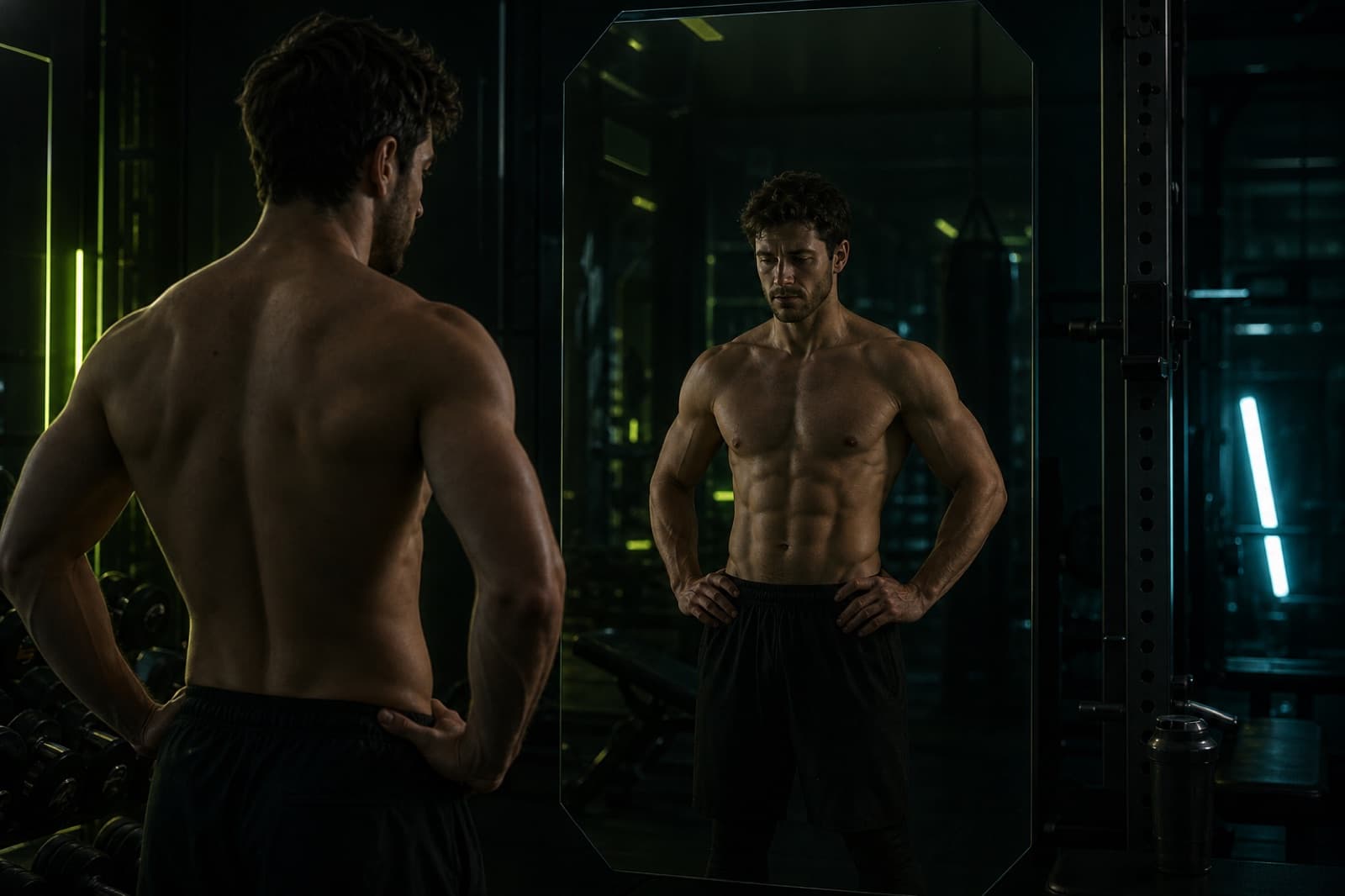
Physique
Should You Cut, Bulk, or Recomp First?
Most people start in the wrong training phase. They bulk when they should recomp. They cut when they should build. They spin for months with nothing to show.
The Decision Framework
Cut first if: You're above 18-20% body fat (men) or 28-30% (women) and muscle definition is your priority. You have enough muscle mass that losing fat will reveal it.
Bulk first if: You're genuinely underweight, struggle to hit protein targets, and your primary limitation is total muscle mass — not body fat.
Recomp first if: You're in the skinny-fat zone — not lean enough to look athletic, not muscular enough to justify a bulk. This is the most common starting point we see.
Why Recomp Gets Overlooked
Recomp isn't sexy. It doesn't promise dramatic scale changes. But for the skinny-fat demographic, it's often the smartest 12-week investment you can make.
A structured recomp protocol gives you:
- Progressive training with clear volume targets
- Nutrition framework (not a restrictive diet)
- Weekly check-ins to adjust based on real data
- Strength progression as a leading indicator
The Mistake Most People Make
They pick cut or bulk based on emotion, not data. "I feel fat" doesn't mean you should cut. "I feel small" doesn't mean you should bulk.
Take 30 seconds and honestly assess: Can you see muscle definition? Are your lifts progressing? Is your waist trending in the right direction?
All three of these are decisions about mass. None of them is a decision about whether you own the positions you are adding mass to. Position before load.
If you're unsure, start with a structured recomp. You can always shift phases after 8-12 weeks of real data.
What We'd Recommend
For most people landing on this page, recomp is the highest-probability starting point: measured fueling alongside progressive work, rather than a swing between extremes.
Not sure? Take the program quiz and get a recommendation based on your actual goals and training level.
Next: a training doctrine ordered foundation first — 伝書 Denshō.
References
- [1]Bourne MN, Timmins RG, Opar DA, et al. “An evidence-based framework for strengthening exercises to prevent hamstring injury.” Sports Medicine, 2018
- [2]Petushek EJ, et al. “Evidence-Based Best-Practice Guidelines for Preventing Anterior Cruciate Ligament Injuries in Young Female Athletes.” American Journal of Sports Medicine, 2019
- [3]Lauersen JB, Bertelsen DM, Andersen LB. “The effectiveness of exercise interventions to prevent sports injuries: a systematic review and meta-analysis of randomised controlled trials.” British Journal of Sports Medicine, 2014
- [4]Momma H, Kawakami R, Honda T, et al. “Muscle-strengthening activities are associated with lower risk and mortality in major non-communicable diseases: a systematic review and meta-analysis of cohort studies.” British Journal of Sports Medicine, 2022
Dark Kinetics
The five scrolls Musashi sealed at Reigandō in 1645, restored as a training doctrine and welded to cellular measurement.
Denshō
Earth, Water, Fire, Wind, Void — the doctrine this record sits inside. No consultation, no call to schedule.
OPEN THE DENSHŌ