Omega-3 & Fish Oil for Athletes: Recovery, Muscle, and Inflammation
Nutrition
Omega-3 & Fish Oil for Athletes: Recovery, Muscle, and Inflammation
Omega-3s are not exciting. They are just quietly important — one of the few supplements that addresses recovery, inflammation, and muscle health at the same time, and one most hard-training athletes do not get enough of.
Here is what the evidence supports and how to use fish oil properly.
What Omega-3s Are
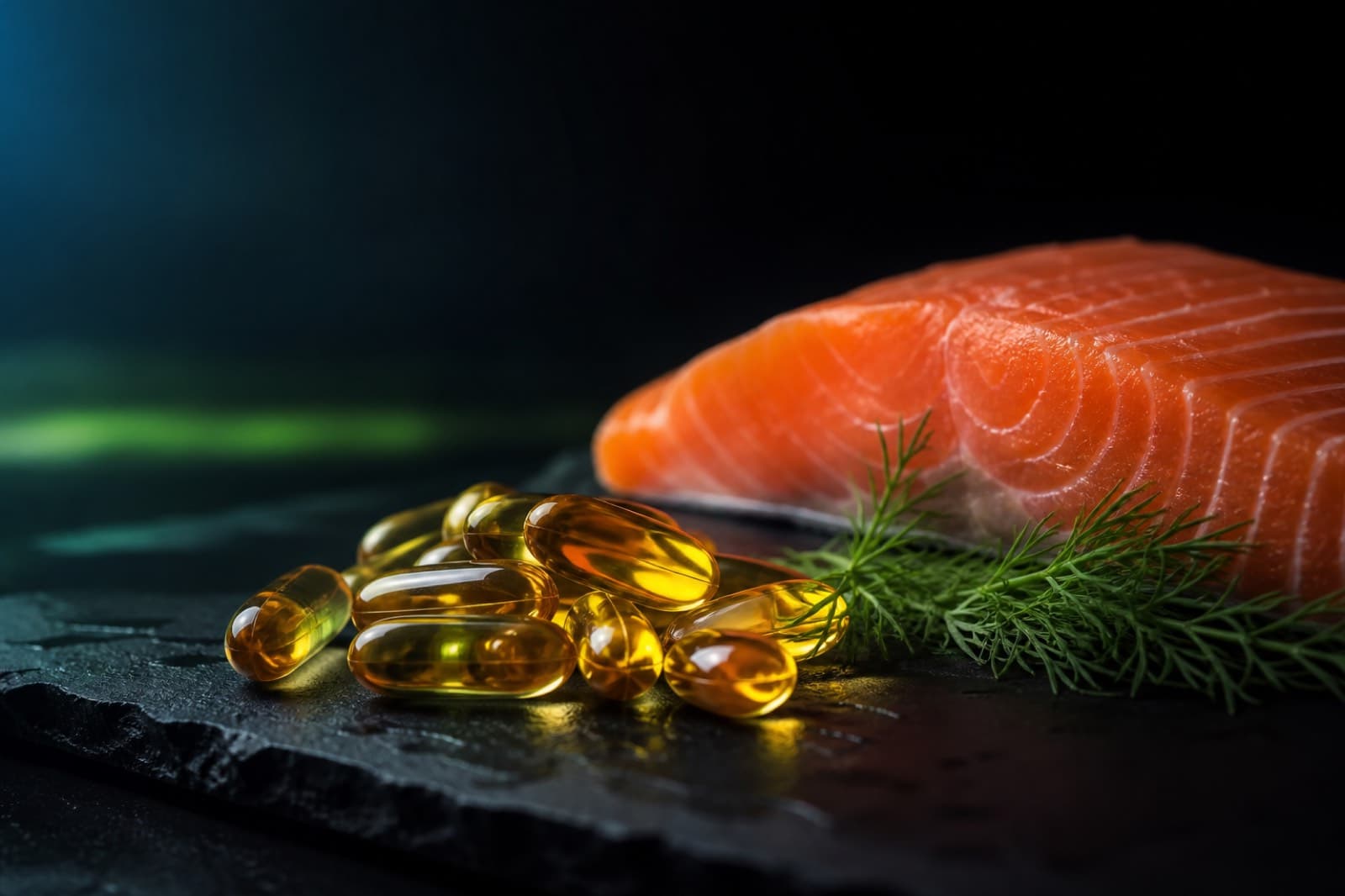
Omega-3 fatty acids are essential fats your body cannot make. The two that matter for athletes are EPA and DHA — found mainly in fatty fish (salmon, sardines, mackerel) and fish or algae oil. The plant form (ALA, from flax and chia) converts to EPA and DHA only poorly, so direct sources are far more reliable.
The modern diet is heavily skewed toward omega-6 fats and short on omega-3, which is why supplementation is often justified.
Oxidation and species substitution are both routine in this category and neither is visible through the bottle. Gyokuro has the same problem — the most routinely mislabelled tea in the West, because the difference is invisible in a sealed packet.
What the Research Shows
The athletic evidence centers on muscle and recovery:
- Fish-oil supplementation combined with strength training produced greater gains in muscle strength and functional capacity than training alone in older women (Rodacki et al., 2012).
- A review described how EPA and DHA embed in muscle cell membranes and can enhance the muscle-building response to protein and training, with the strongest effects in older adults (McGlory et al., 2019).
- Omega-3s also support a balanced inflammatory response — useful for managing the cumulative stress of hard blocks (note: this is about healthy regulation, not blunting all inflammation).
Bottom line: omega-3s support muscle adaptation and recovery, and help correct a fat-balance problem common in modern diets. They are a foundational health-and-recovery supplement, not a flashy performance booster.
How to Take It
- Dose: Aim for roughly 2-3 g combined EPA + DHA per day from supplements. Read the label — a "1000 mg fish oil" capsule often contains only ~300 mg of actual EPA + DHA.
- With food: Take with a meal containing fat for absorption and to avoid fishy burps.
- Quality: Choose a product tested for purity (heavy metals, oxidation). Third-party tested (IFOS, NSF) is ideal. Algae oil is a solid vegan alternative.
- Storage: Keep it cool; rancid fish oil is worse than none. If capsules smell strongly off, toss them.
Who Benefits
Athletes who rarely eat fatty fish (most people), those in heavy training blocks, older trainees protecting muscle, and anyone managing joint or general inflammation. If you already eat oily fish several times a week, your need is lower.
How It Fits Your Training
Omega-3s live in the foundation layer of recovery — the same unglamorous tier as sleep, protein, and micronutrients in the Dark Kinetics recovery framework. They will not transform a session, but over months they help you adapt to and tolerate hard training. Pair with nutrient-dense whole foods and vitamin D3 and K2 to cover the basics that quietly decide your recovery.
Next: five foods where the difference is invisible until you know the check — the five counterfeits.
References
- [1]Rodacki CL, Rodacki AL, Pereira G, et al. “Fish-oil supplementation enhances the effects of strength training in elderly women.” American Journal of Clinical Nutrition, 2012
- [2]McGlory C, Calder PC, Nunes EA. “The influence of omega-3 fatty acids on skeletal muscle protein turnover in health, disuse, and disease.” Frontiers in Nutrition, 2019
- [3]Simopoulos AP. “The importance of the ratio of omega-6/omega-3 essential fatty acids.” Biomedicine & Pharmacotherapy, 2002
- [4]Daley CA, Abbott A, Doyle PS, Nader GA, Larson S. “A review of fatty acid profiles and antioxidant content in grass-fed and grain-fed beef.” Nutrition Journal, 2010
Dark Kinetics
The five scrolls Musashi sealed at Reigandō in 1645, restored as a training doctrine and welded to cellular measurement.
Denshō
Earth, Water, Fire, Wind, Void — the doctrine this record sits inside. No consultation, no call to schedule.
OPEN THE DENSHŌ