和食 · The Fuel

Washoku Longevity

The fourth pillar. Five ancestral Japanese fuels, chosen for what they are made of rather than for a column in a tracker.

Most of the difficulty is not discipline. It is that four of the five are widely counterfeited, and almost nobody buying them can tell.

Beneath the five sits an older argument. Dōgen wrote Tenzo Kyōkun — Instructions for the Cook — in 1237, setting down that preparing food is the practice and not the chore before it. Eight hundred years later the point still holds, and it is why nothing here is a powder.

  1. 1 · A5 Wagyu

    The marbled beef

    Graded A5 by the Japanese Meat Grading Association — the top of both the yield and quality scales. Dense in monounsaturated fat, and the reason its fat melts near body temperature. The grade is a legal standard, which is precisely why so much of what is sold under the name is not it.

    Regional names — Kobe, Matsusaka, Ōmi — are controlled designations with their own registries, not descriptions of style. Most beef sold in the West as wagyu is neither graded by the JMGA nor raised in Japan.
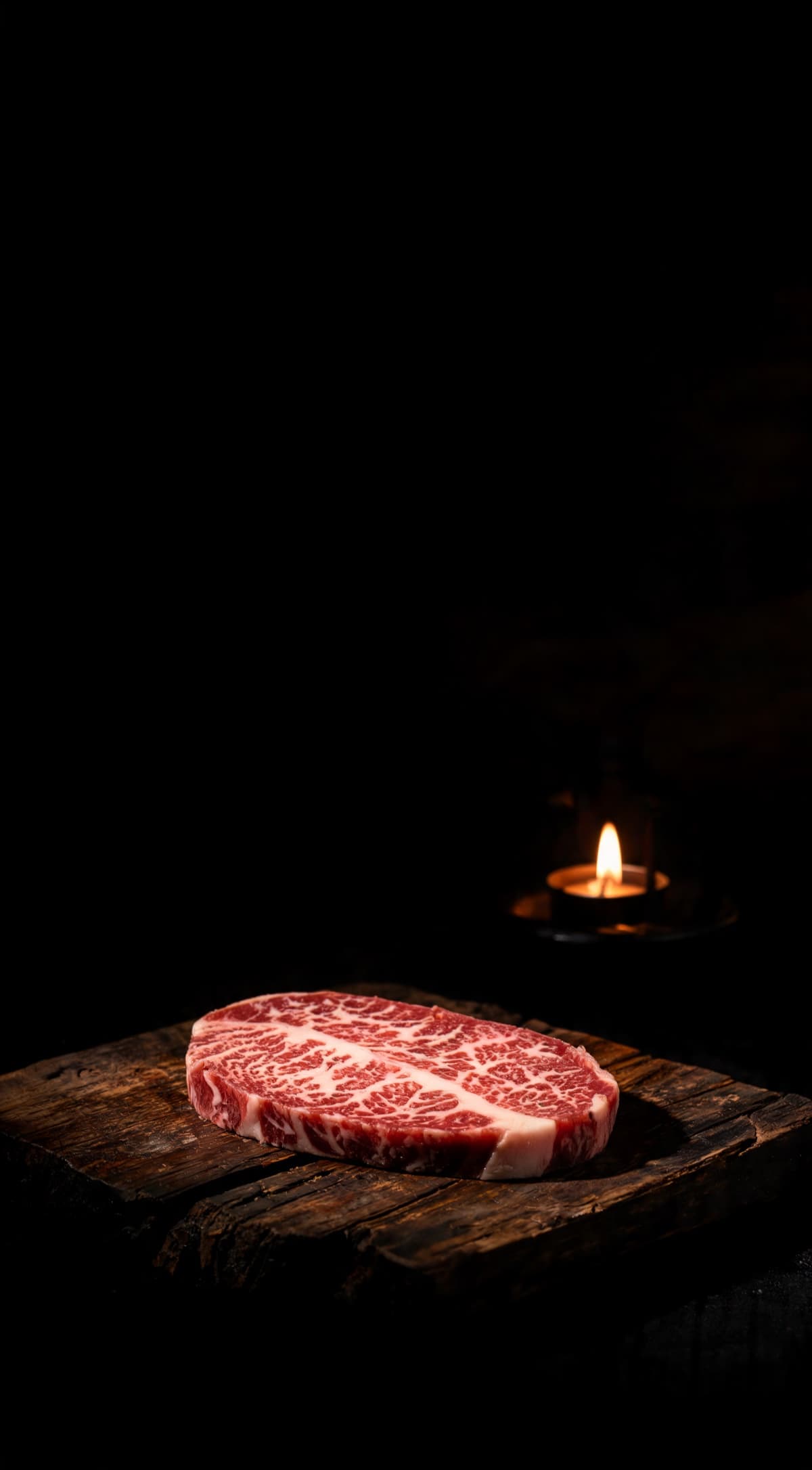
    A5 Wagyu — The marbled beef, lit by a single flame in a dark kitchen
  2. 2 · Matcha

    The stone-ground leaf

    Ceremonial grade — first-harvest, shade-grown, stone-milled. The whole leaf is consumed rather than steeped and discarded, so it carries catechins and L-theanine in quantities the infusion never delivers. Grade is not regulated, which is where most of the deception lives.

    The preparation comes from chadō 茶道, codified by Sen no Rikyū in the sixteenth century and carried since by three unbroken family schools — Omotesenke, Urasenke, Mushakōjisenke. "Ceremonial grade" is a marketing phrase in the West; the ceremony it refers to is four hundred and fifty years old and still practised.

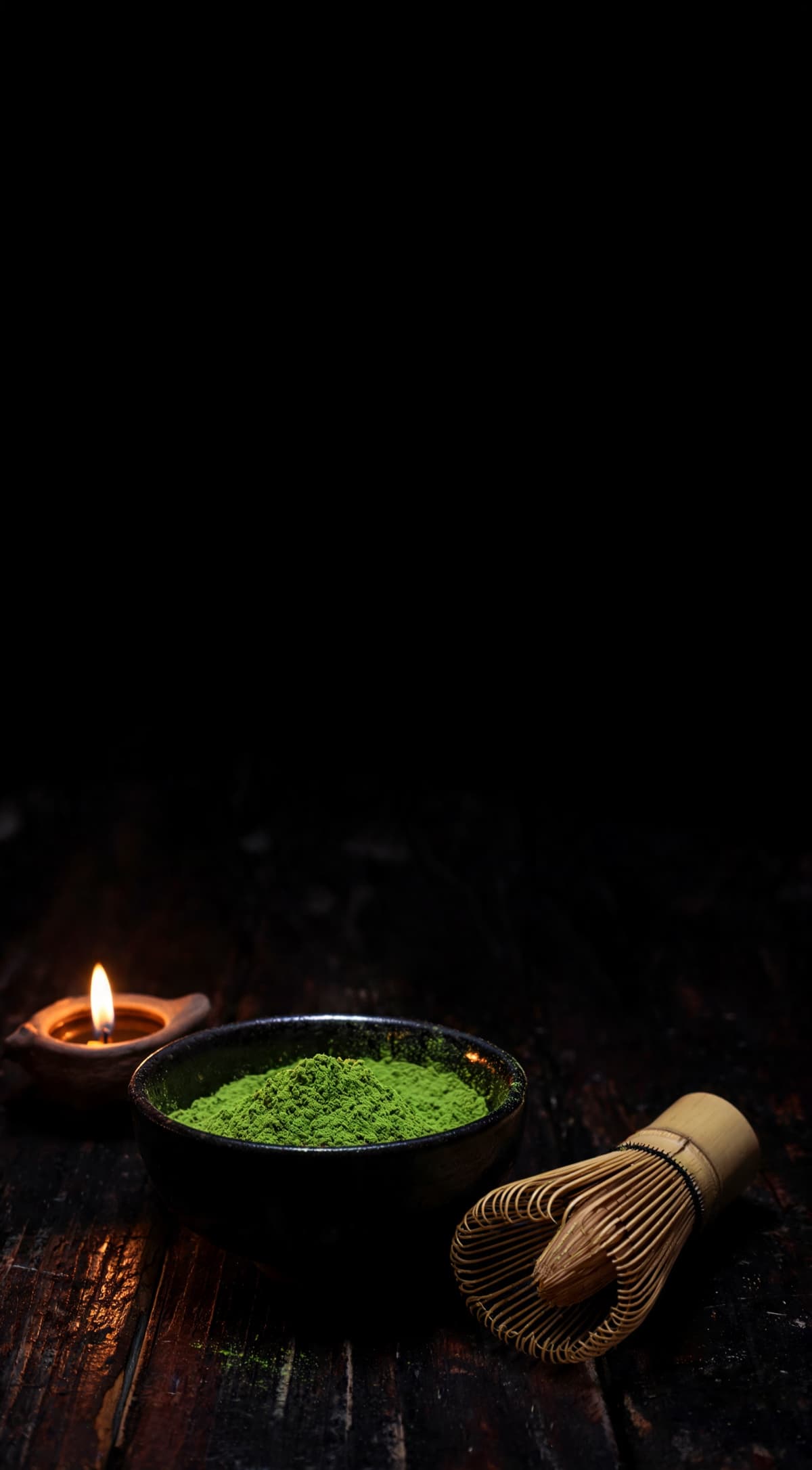
    Matcha — The stone-ground leaf, lit by a single flame in a dark kitchen
  3. 3 · Natto

    The fermented soybean

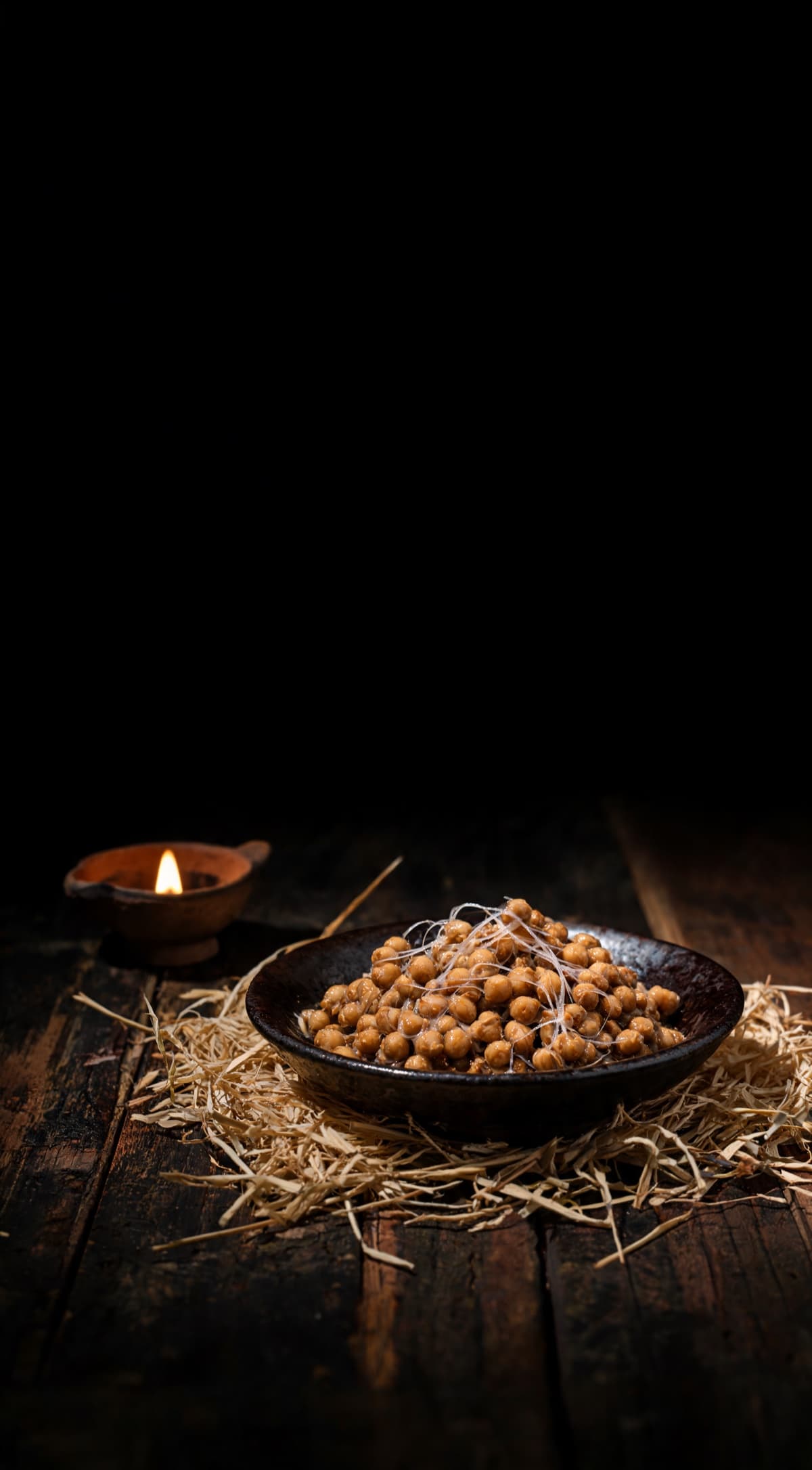
    Fermented with Bacillus subtilis. The richest known dietary source of vitamin K2 as MK-7, and the carrier of nattokinase. Also the one most people abandon after a single attempt — the preparation film exists because texture, not taste, is what defeats them.

    Traditionally fermented in rice straw, which carried the culture before anyone had isolated it. The organism was named for the food, not the other way round.

    Natto — The fermented soybean, lit by a single flame in a dark kitchen
  4. 4 · Gyokuro

    The shaded tea

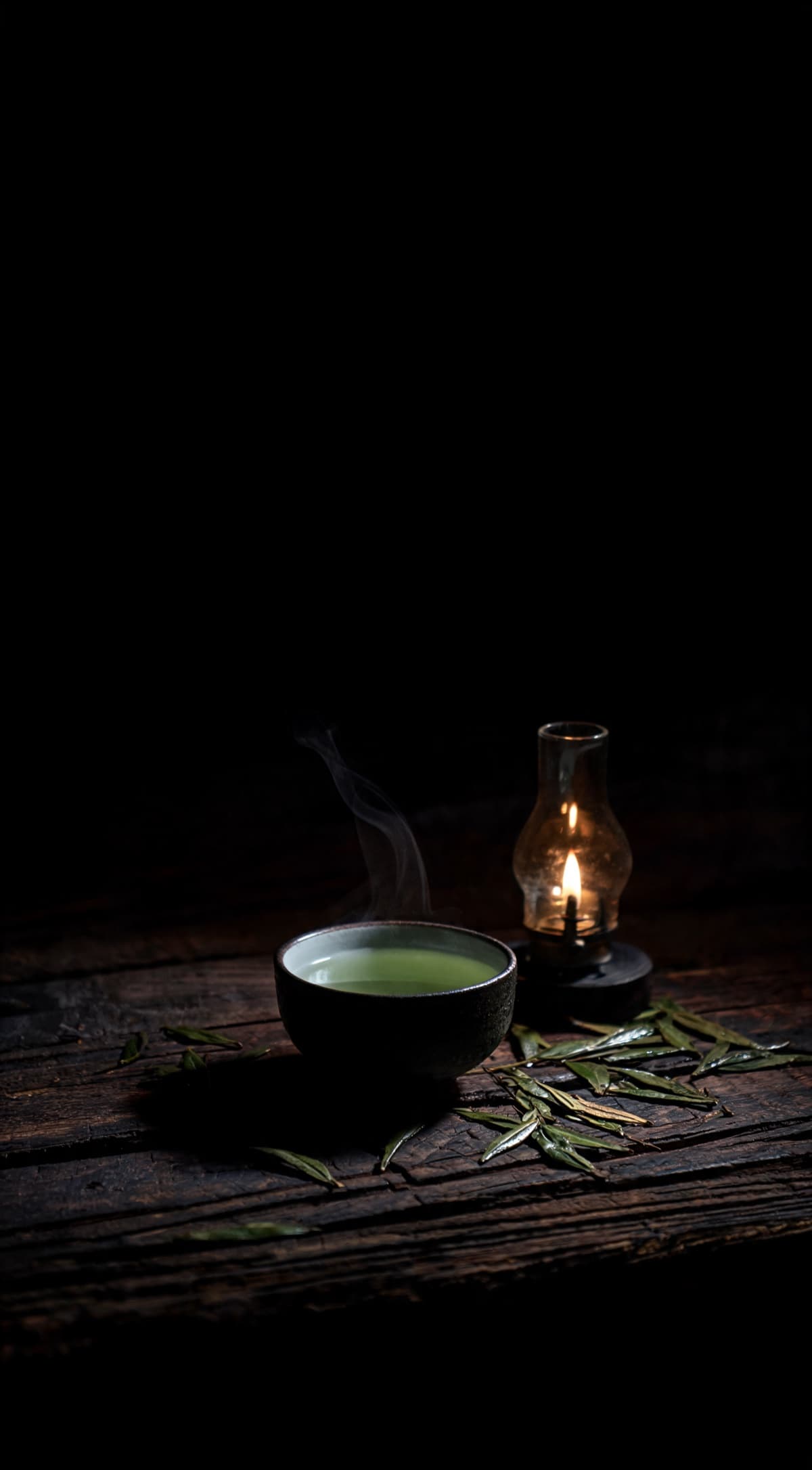
    Shaded for roughly three weeks before harvest, which raises L-theanine and lowers catechin astringency. Brewed low and slow — around 50°C. Brewed at boiling it is simply an expensive, bitter sencha, and it is very often sold as gyokuro when it is exactly that.

    The Uji hills south of Kyoto have grown shaded tea since the shading method was developed there. Gyokuro from a named Uji producer and gyokuro from a supermarket shelf are not the same commodity, and the label rarely distinguishes them.

    Gyokuro — The shaded tea, lit by a single flame in a dark kitchen
  5. 5 · Dashi

    The base stock

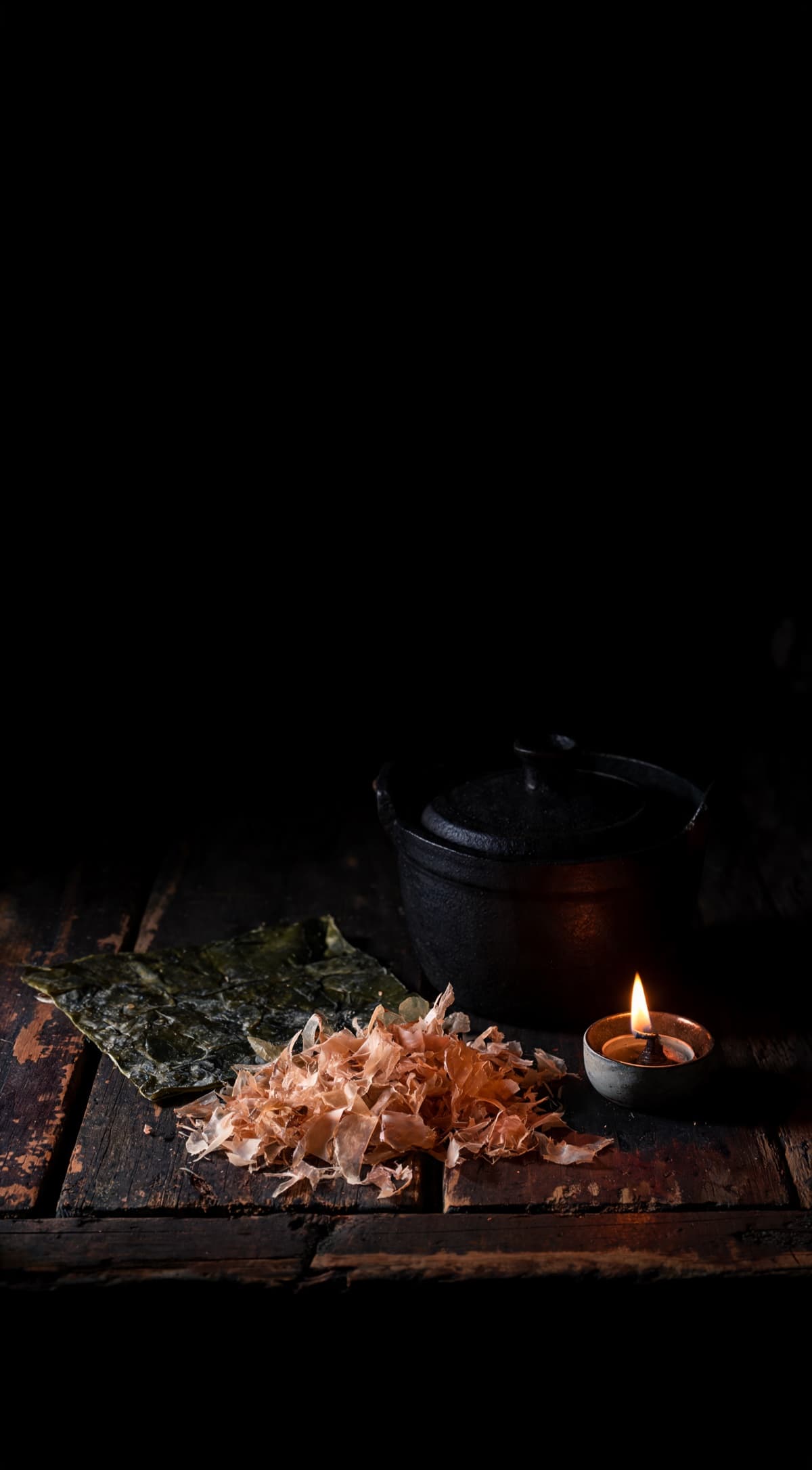
    Katsuobushi and kombu. The foundation beneath most of the rest — glutamate and inosinate, and the reason properly fuelled food does not need the things usually added to make it palatable.

    Umami was identified as a distinct taste by Kikunae Ikeda in 1908, working from kombu dashi. The stock came first by several centuries; the science arrived to explain a kitchen that already worked.

    Dashi — The base stock, lit by a single flame in a dark kitchen

What it contains

Complete, and small.

Executable tomorrow, without a second purchase.

  1. The Washoku Codex

    48–56pp · yours to keep

    The five fuels in full: what each is, its composition, the dose, the timing, and the preparation. Roughly six pages each, plus the chapters below. Read in the archive or taken as a typeset file you keep — it is an object you own rather than a page you log in to.

  2. 腹八分 — The Eighth Part

    6–8pp

    Hara hachi bu: eat to eight parts of ten, and stop. An Okinawan table rule older than any study of it, and the one practice here that costs nothing and requires nothing to be bought. The chapter covers why the signal of fullness arrives late, what that delay is doing, and how the practice trains the detection of it rather than the endurance of hunger.

  3. 精進料理 — The Temple Kitchen

    7–9pp

    Shōjin ryōri, and Dōgen's Tenzo Kyōkun — Instructions for the Cook — written in 1237. Eight hundred years ago a monk set down that the preparation of food is the practice rather than a chore preceding it. The chapter is the argument for why any of this is done by hand, sourced deliberately, and eaten with attention, drawn from a primary text rather than asserted.

  4. 典座教訓 — In the Original

    1 plate · untranslated

    The line introducing the three minds — 喜心 kishin, 老心 rōshin, 大心 daishin — set as Dōgen wrote it, in Japanese. Not a translation: the reading of it is the chapter above.

    Whenever an officer takes up his post, in doing the work and fulfilling the duty, he must hold to three minds: joy, the parent’s care, and the mind as wide as the sea.

  5. The Counterfeit Chapter

    10–14pp

    How to tell the real from the sold-as-real. Most matcha in the West is culinary grade coloured to look ceremonial. Most wagyu is neither A5 nor Japanese. Gyokuro is routinely mislabelled sencha. How to read a grade, a label and a leaf — the chapter that saves more than the price of the whole thing.

  6. The Sourcing Ledger

    8–12pp · versioned

    Named suppliers, grades, realistic price bands by region, and what to check before ordering. Re-issued as sources change, which is what makes it a ledger rather than an appendix.

  7. Preparation films

    8 films · one per preparation

    Matcha in two parts — bowl and temperature, then whisk. Gyokuro at low temperature. Dashi from katsuobushi and kombu. Natto handled so the texture stops being the obstacle. A5 rendered. The morning order and the evening order. Hands only, no narration, ambient sound.

  8. The codex, read aloud

    Audio · two chapters

    The five fuels and the temple kitchen, narrated — for the walk and the drive and the hour before sleep.

  9. The Daily Order

    Card · 1pp · printable

    One page. What is taken, in what order, at what time — every temperature, weight and duration from the codex, and none of the reasoning. Set in three columns and inverted for paper, to be printed once and pinned to a wall.

Take the fuel.

One payment of $97. Not a subscription, not a membership, nothing recurring.

皆伝 · KAIDEN

All three transmissions — this one with Fudōshin and Denshō — are held together as 皆伝 Kaiden for $897, against $1,091 taken separately.

READ KAIDEN →

This describes food and how to source it. Nothing here is medical advice, diagnosis, or treatment, and no claim is made that any of it prevents or treats a condition. Speak to a qualified clinician before changing your diet, particularly if you take anticoagulants — natto is exceptionally high in vitamin K2 and interacts with them.