不動心 · Fudōshin · The Mind

Fudōshin

In the 1630s a Zen priest named Takuan Sōhō wrote to Yagyū Munenori — sword instructor to the Tokugawa shoguns — about where a man should put his mind when someone is trying to kill him. He called it 不動智, immovable wisdom.

He meant the opposite of what it sounds like. Not a mind that will not move. A mind that never fixes, and is therefore free to go anywhere. Fix on the sword and the sword has already won.

Musashi wrote the body. Takuan wrote the mind. They were contemporaries, and this is the half almost nobody in the West has read.

THE COLD IS NOT THE POINT

This is not an ice bath protocol. Cold water is the apparatus — the most reliable way to manufacture the exact condition Takuan is describing: something urgent in front of you, and a mind trying not to stop there.

You do not get in for brown fat, dopamine, or a number. 禊 misogi is a purification rite performed under cold water, and it was never a biohack. What is being trained is where the attention goes when the body wants it somewhere else.

  1. 1 · Fudōchi

    The immovable wisdom

    Takuan's subject, and the one idea the whole letter turns on: immovable does not mean a mind that will not move. It means a mind that never fixes. Attention that settles on the sword in front of it has already been taken by the sword. The mind that stops is the mind that loses.

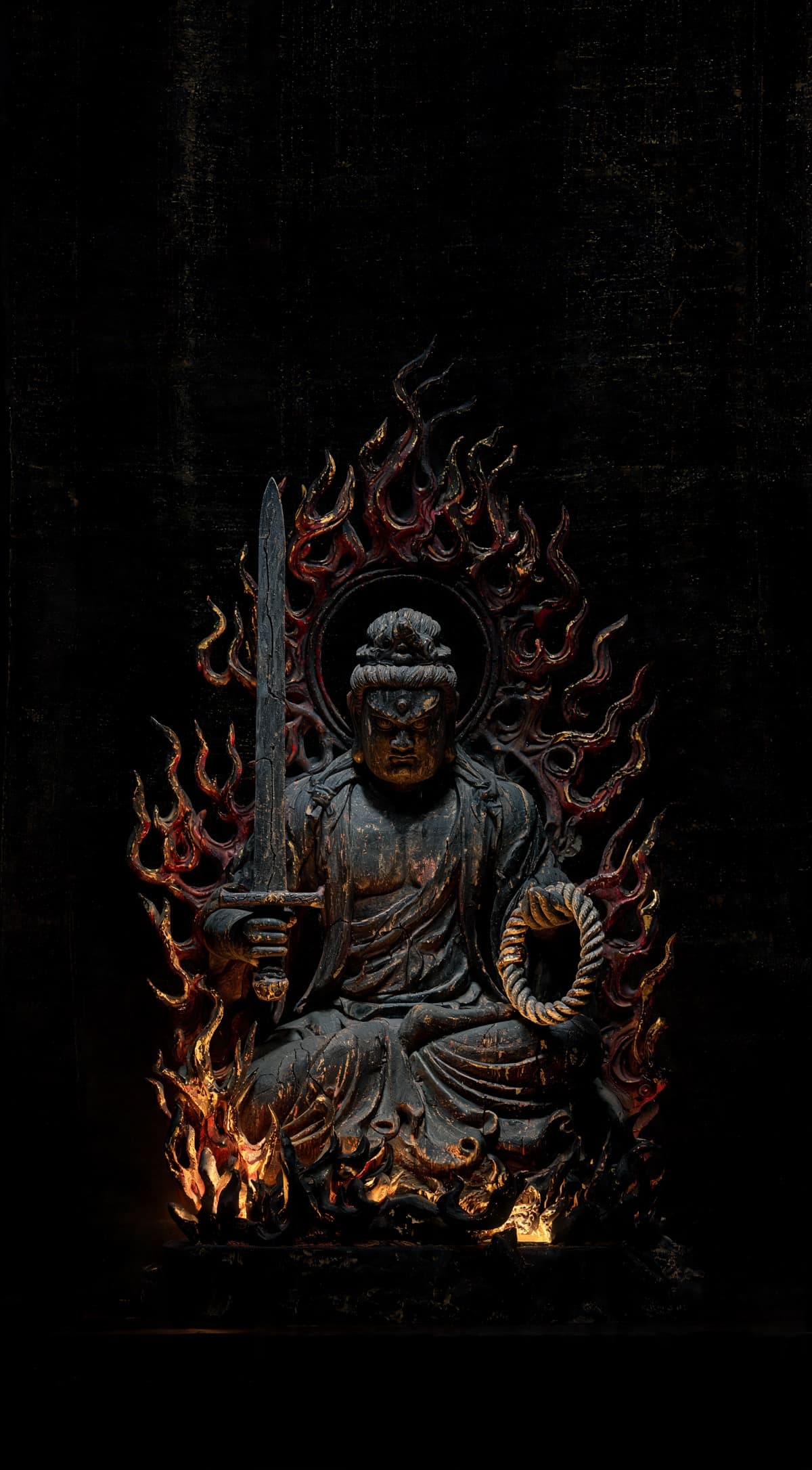
    Painted woodcarving of Fudō Myōō seated wreathed in flame, sword in one hand and rope in the other, lit against deep black
  2. 2 · Tomaru

    The stopping

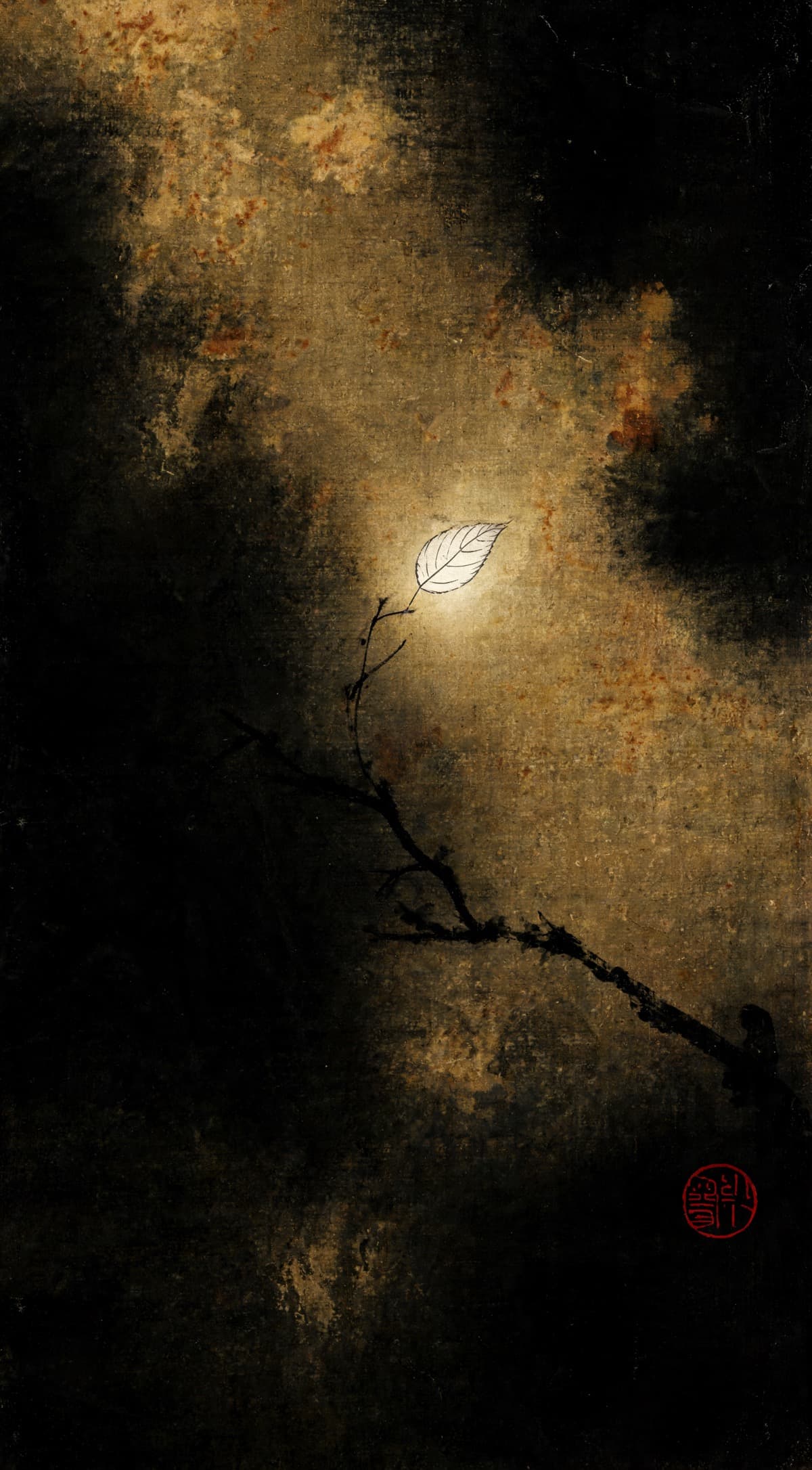
    Where attention actually gets caught, named one at a time. The sword in 1632; the notification, the metric, the argument still running at three in the morning. Same mechanism, and Takuan describes it more precisely than most of what is written about it now — by someone with nothing to sell you.

    Ink wash painting of a single lit leaf on a bare branch against deep black, everything else dissolved into darkness
  3. 3 · Misogi

    The cold

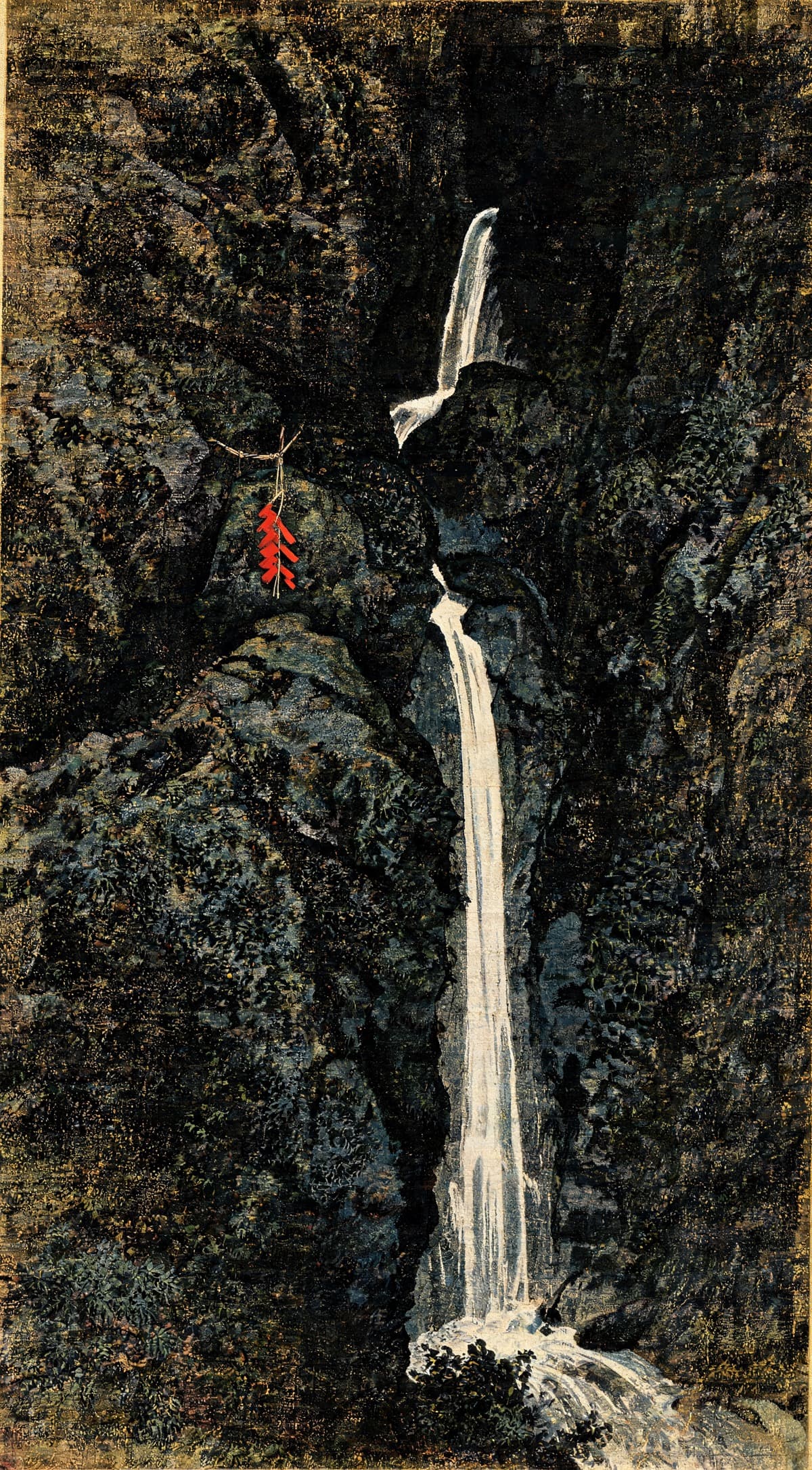
    The apparatus. Deliberate cold exposure progressed by temperature and duration rather than by willpower — not for what it does to the body, but because it is the most reliable way to put something urgent in front of a mind and see whether it stops there. The first ninety seconds are the whole skill; the gasp reflex is what makes cold water dangerous, and it is trainable.

    Painting of a narrow waterfall falling over dark rock in a winter gorge, a weathered shide rope marker on the stone beside it
  4. 4 · Netsu

    The heat

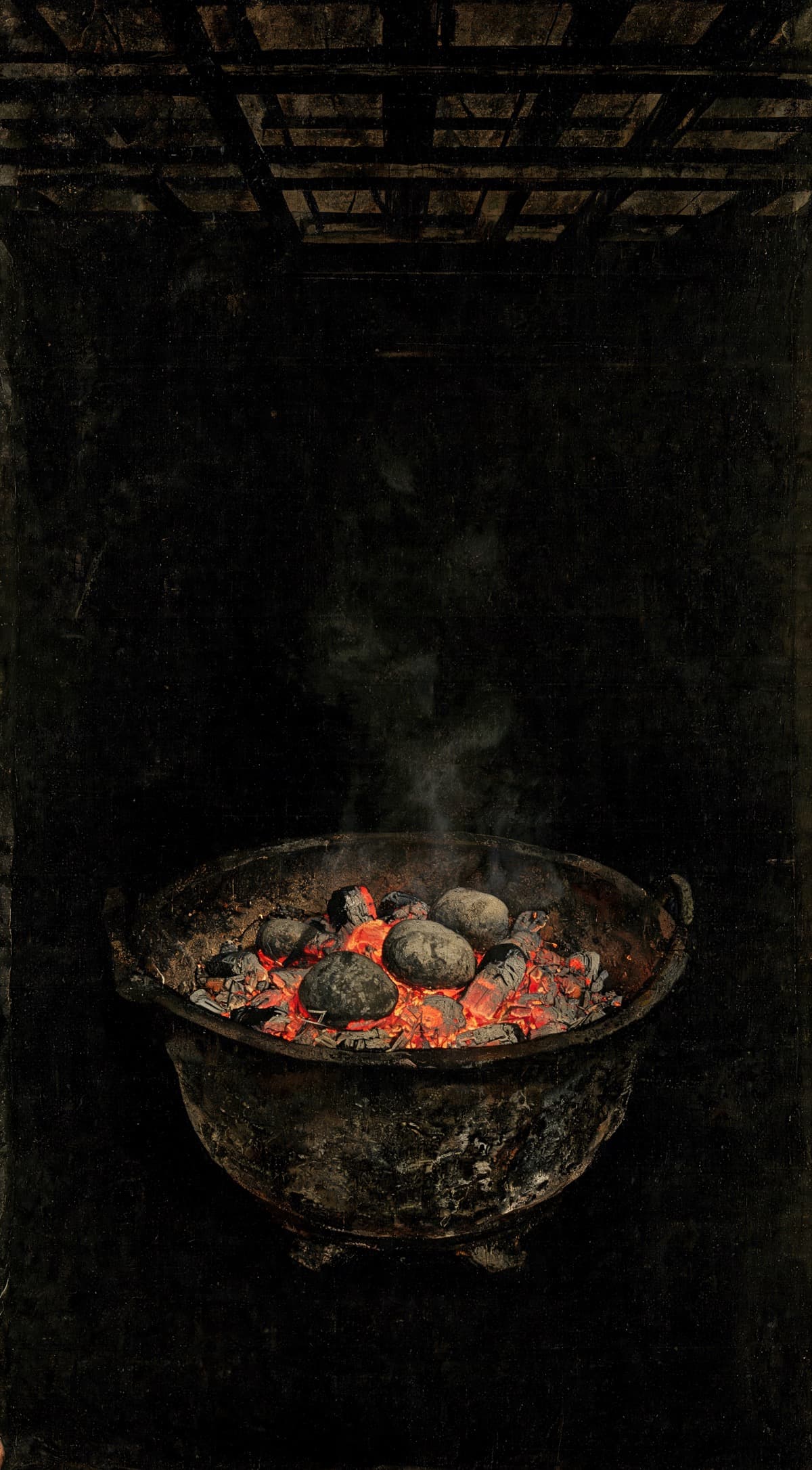
    Sauna and heat exposure with stated durations and frequencies. Heat and cold are not interchangeable and not additive; each does something specific, and the order matters more than the total. The sequencing chapter is where most people are getting this wrong.

    Painting of glowing embers and heated stones banked in an iron brazier in a dark wooden room, thin steam rising
  5. 5 · Iki

    The breath

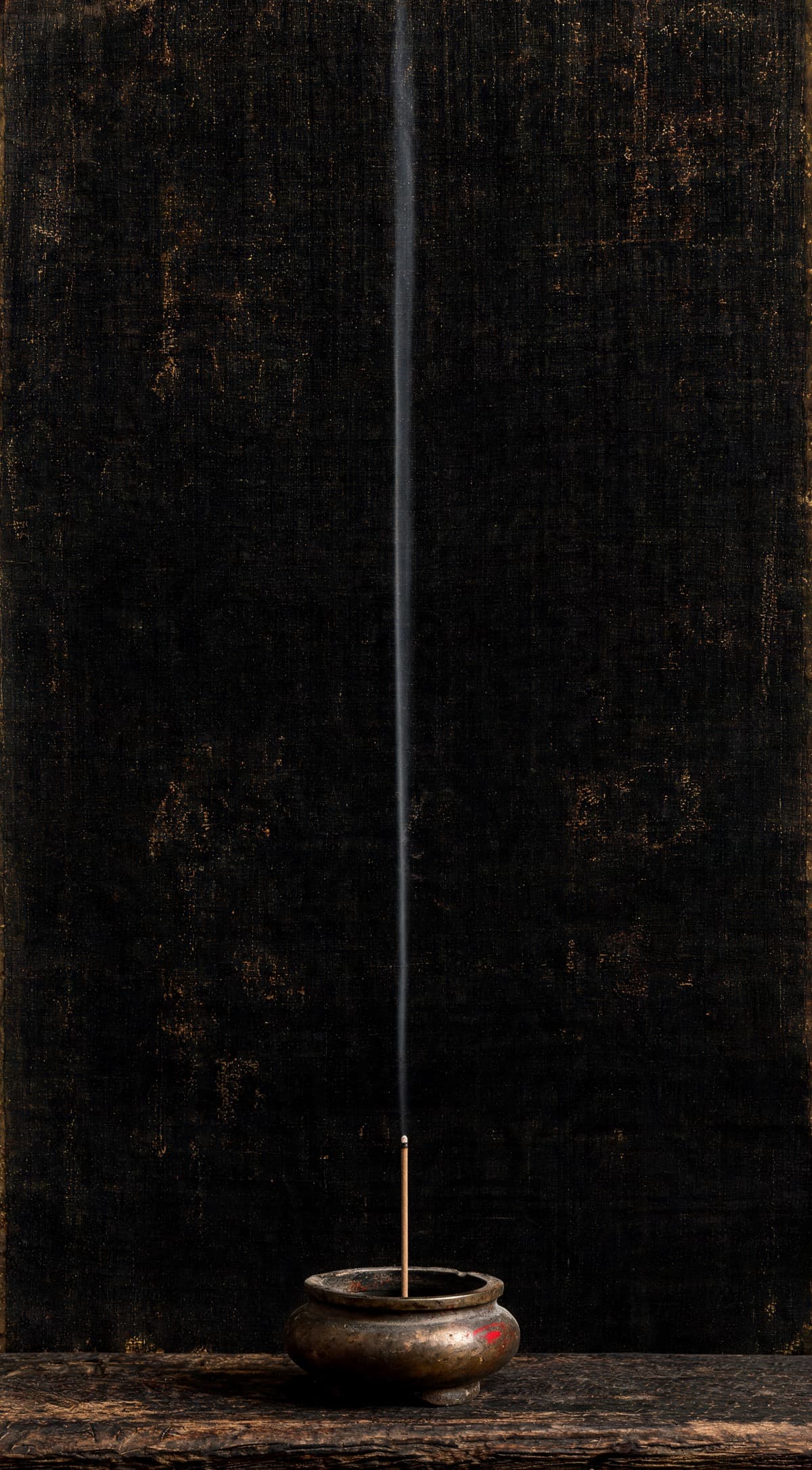
    Diaphragmatic base, extended exhale, controlled retention. The lever that makes the cold tolerable rather than merely survivable — and the one place in the practice where the mind can be observed stopping in real time.

    Painting of a single thread of incense smoke rising through still black air from a burner on dark wood

THE SAFETY DECREE

Never practise breath retention in or near water. Never while driving. Never alone in cold water.

Retention protocols cause fainting. That is the mechanism, not a side effect. Cold water causes gasp reflex and cold shock, which is what makes it dangerous long before the temperature does.

Do not begin with a cardiac condition, uncontrolled blood pressure, epilepsy, or during pregnancy, without clearance from a clinician who knows your history.

What it contains

A text, and the practice that proves it.

  1. 不動智神妙録 — In the Original

    1 plate · untranslated

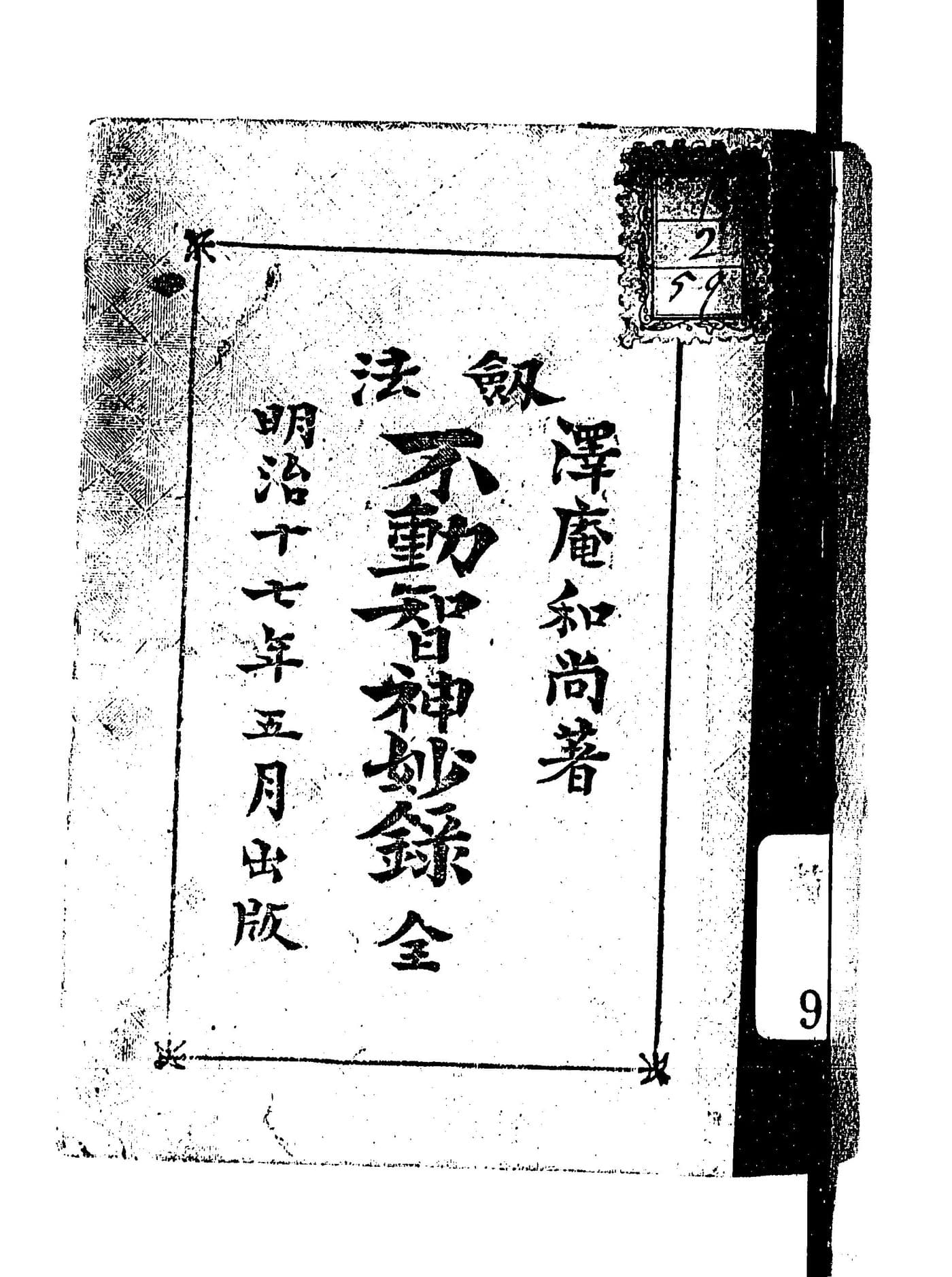
    The title page of the earliest printed edition located: 剣法不動智神妙録, published 1884 — Takuan's teaching, printed two centuries after his death, held by the National Diet Library and confirmed out of copyright. No single autograph survives; this is a documented copy, not a translation. What it argues is the next entry, in full.

    The 1884 printed title page of Kenpō Fudōchi Shinmyōroku, held by the National Diet Library
  2. The Fudōshin doctrine

    34–42pp

    The letter applied. What Takuan means by stopping, what he means by the mind's original place, and what either has to do with holding a position under load or standing in water at four degrees.

  3. The Stopping Places

    12–16pp

    The specific ways attention is captured, each named with what to do instead. Written as a manual rather than as reflection — a section that cannot tell you what to do on Tuesday is decoration.

  4. The apparatus protocol

    28–36pp

    Twelve weeks with actual numbers — water temperature, duration, weekly frequency, and the progression rule for each, then the twelve weeks again one at a time: what changes, what to watch for, and what marks a week finished rather than merely elapsed. Setting the apparatus without a plunge or a sauna. Contrast, and the week it becomes permitted. What to do about illness, travel and a fortnight missed. The failure mode each track has. And the sequencing chapter: when cold blunts adaptation and must be separated from training, and when it does not.

  5. Instructional films

    7 films · one per topic

    The breath in full — base, extended exhale and retention, each marked with the weeks it belongs to. Cold entry and the first ninety seconds. Exit and rewarming without a hot shower. Heat duration. Contrast sequencing and the week it becomes permitted. The markers to watch. And the failure mode each track has.

  6. Guided sessions

    7 sessions · followed in real time

    Real-time, followed rather than watched. Three breath sessions ascending in length, two cold sessions timed on screen, one contrast sequence, one wind-down. Voice over a near-black frame with a mono timer — no performer on screen.

  7. The sessions, audio only

    7 files

    Every guided session stripped to audio. You do not hold a phone in a cold plunge.

  8. The doctrine, read aloud

    Audio · the doctrine in full

    The doctrine and the Stopping Places narrated in full. This pillar is listened to rather than watched, and it is the format the material was made for.

  9. 支度 — The Apparatus, Sourced

    10–12pp

    What the twelve weeks actually cost to run. The ice arithmetic in full — how much ice a bath of a given volume needs to reach each week's temperature, and why weeks eleven and twelve on bagged ice cost more per week than the freezer that replaces them. Three builds, in the order the money should be spent. Heat without a sauna, and where infrared is and is not the same apparatus. And the five things commonly sold to people starting this that no week of this protocol requires. Nothing is supplied, resold or earned from.

  10. The Ledger

    4pp · printable

    Date, temperature, duration — and where the mind went. Recorded by hand. A ledger nobody fills in is a practice nobody kept.

  11. The Safety Decree

    2pp · shown before purchase

    Non-negotiable rules and named contraindications, stated as decree rather than buried as terms.
Hold the position.

One payment of $297. Nothing recurring.

皆伝 · KAIDEN

All three transmissions — this one with Washoku Longevity and Denshō — are held together as 皆伝 Kaiden for $897, against $1,091 taken separately.

READ KAIDEN →

Nothing here is medical advice, diagnosis, or treatment, and no claim is made about any clinical or psychological outcome. Deliberate cold and heat exposure carry real risk. Speak to a qualified clinician before beginning, particularly with any cardiac or respiratory condition.