Beef & Lamb Liver: Nature's Multivitamin for Athletes
Nutrition
Beef & Lamb Liver: Nature's Multivitamin for Athletes
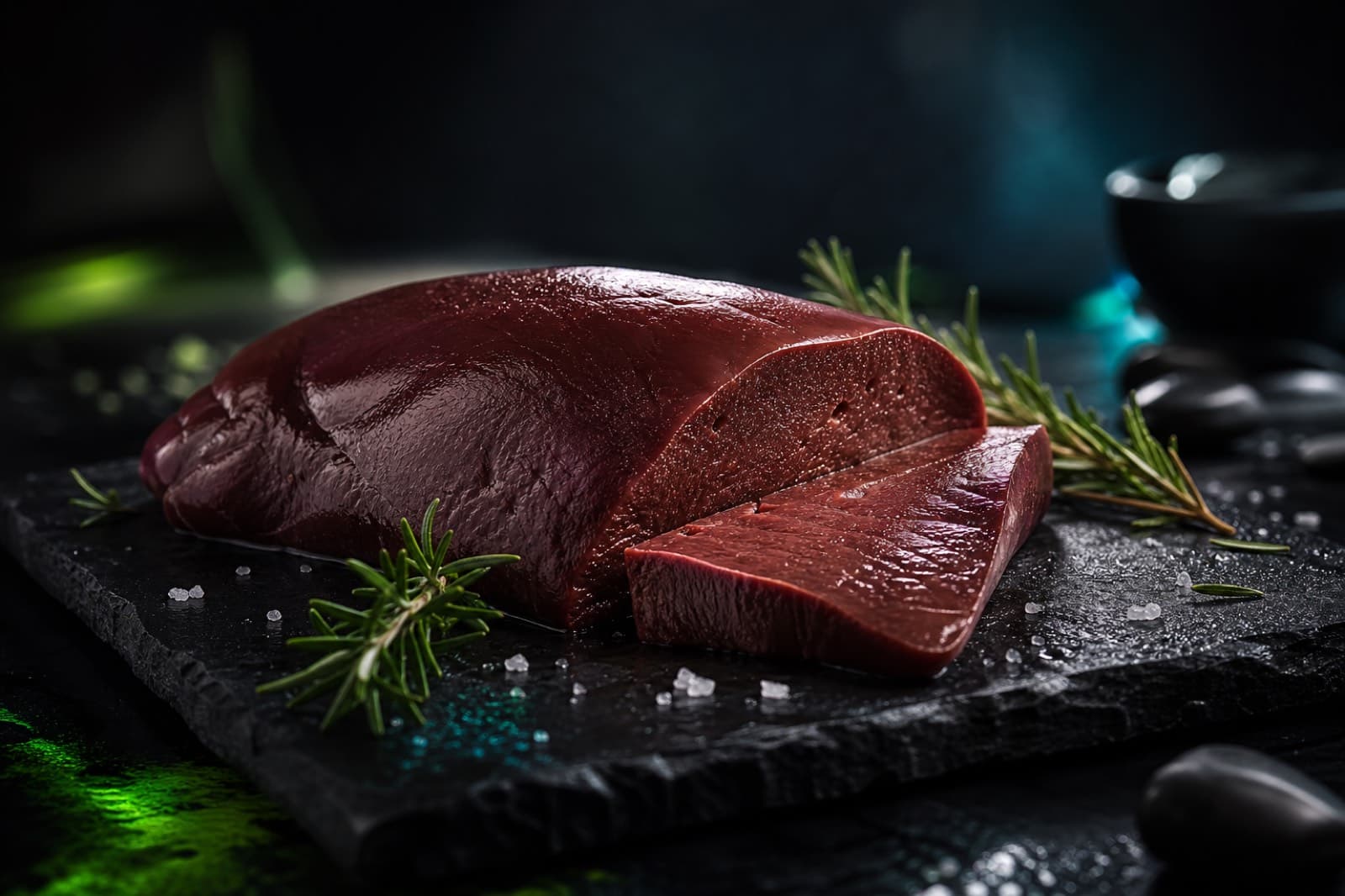
Before multivitamins came in a bottle, they came in a pan. Beef and lamb liver are among the most nutrient-dense foods on the planet — and for athletes pushing hard training, that density is a genuine advantage.
This is not a fad. It is a return to a staple your great-grandparents ate weekly, viewed through the lens of what hard training actually demands.
Why Liver Is So Nutrient-Dense
Liver is the body's nutrient warehouse, so it concentrates micronutrients that hard training burns through:
- Bioavailable iron (heme iron) — critical for oxygen transport and endurance.
- Vitamin B12 — energy metabolism and red blood cell production.
- Preformed vitamin A (retinol) — the ready-to-use form, unlike plant beta-carotene.
- Copper, folate, choline, and riboflavin — cofactors involved in energy, connective tissue, and recovery.
The standout for athletes is the form of these nutrients. Iron from liver is heme iron — research shows heme iron is absorbed far more efficiently (around 15-35%) than the non-heme iron in plants (Hurrell & Egli, 2010). For anyone training hard, especially endurance athletes and menstruating women who lose iron, that bioavailability matters.
Why Athletes Care
Hard training increases turnover of iron, B vitamins, and other micronutrients. Low iron quietly tanks endurance and recovery. B12 inadequacy is more common than people assume, and animal foods — liver foremost — are the richest dietary source (Stabler & Allen, 2004).
Organ meat is only as good as its provenance, and provenance is exactly where this category is misrepresented. What the paperwork on real Japanese beef looks like — and what a seller who has neither is telling you.
A few servings of liver per week can cover micronutrient gaps that otherwise require a fistful of pills — in a form your body recognizes and absorbs.
How to Eat It (Without Hating It)
If the taste puts you off, you have options:
- Hide it: Blend a small amount into ground beef for burgers, meatballs, or chili — you will not taste 10-20%.
- Soak it: Soaking fresh liver in milk or lemon water for a few hours mellows the flavor.
- Pan-sear it: Quick and hot, kept slightly pink, with onions — the classic for a reason.
- Desiccated capsules: Freeze-dried liver capsules are a convenient, taste-free option if whole liver is a dealbreaker.
How much: Around 100-200 g of liver, once or twice a week, is plenty for most people. More is not better here.
A Word of Caution
Liver is rich in preformed vitamin A and copper, which are fat-soluble or stored — meaning more is not always better.
- Keep portions moderate (the amounts above), rather than eating it daily in large quantities.
- If you are pregnant, ask your doctor first, since very high vitamin A intake is a specific concern.
- Source matters: choose liver from healthy, well-raised animals (grass-fed where possible).
How It Fits Your Training
Think of liver as foundational fuel, not a performance supplement. It fills the micronutrient base so the rest of your nutrition and training can do their job — exactly the philosophy behind the Dark Kinetics recovery foundation. Pair it with the omega-3 and vitamin D3 and K2 basics, and you have covered the unglamorous nutrients that quietly decide how well you recover.
Next: how to tell genuine A5 wagyu from crossbred cattle sold under the same word — the five counterfeits.
References
- [1]Hurrell R, Egli I. “Iron bioavailability and dietary reference values.” American Journal of Clinical Nutrition, 2010
- [2]Stabler SP, Allen RH. “Vitamin B12 deficiency as a worldwide problem.” Annual Review of Nutrition, 2004
Dark Kinetics
The five scrolls Musashi sealed at Reigandō in 1645, restored as a training doctrine and welded to cellular measurement.
Denshō
Earth, Water, Fire, Wind, Void — the doctrine this record sits inside. No consultation, no call to schedule.
OPEN THE DENSHŌ