Astaxanthin: The Antioxidant Carotenoid Athletes Are Talking About
Nutrition
Astaxanthin: The Antioxidant Carotenoid Athletes Are Talking About
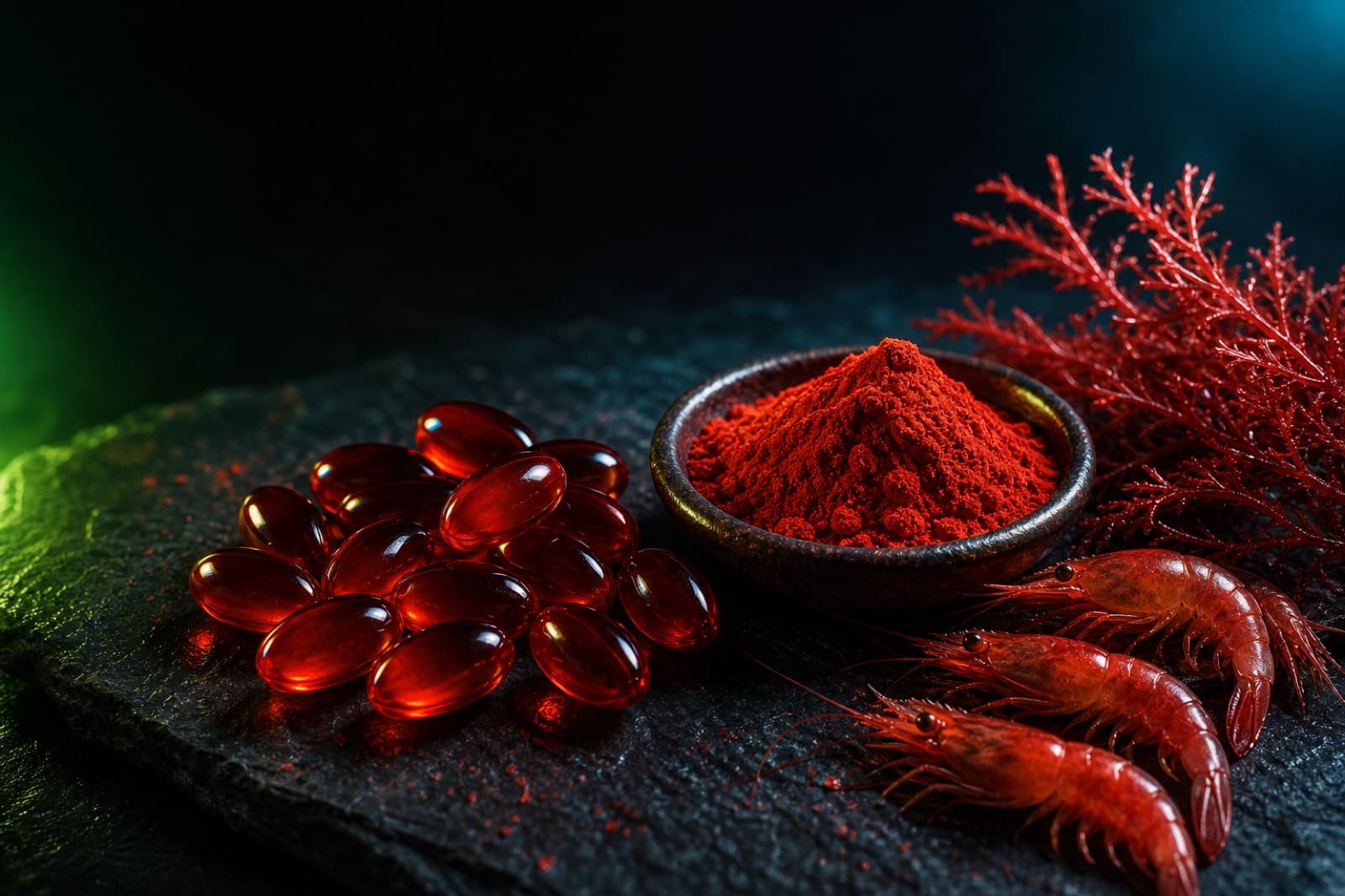
Astaxanthin is the red pigment that makes salmon, shrimp, and flamingos pink. It is also one of the most potent natural antioxidants known — and a supplement gaining real traction with endurance athletes. The science is promising but still maturing, so here is the honest picture.
What Astaxanthin Is
Astaxanthin is a carotenoid produced by the microalgae Haematococcus pluvialis. Unlike many antioxidants, it is lipid-soluble and spans cell membranes, which is why it is often described as exceptionally effective at neutralizing the reactive oxygen species (free radicals) generated during hard exercise.
The theory: heavy training floods the body with oxidative stress. A powerful antioxidant could blunt the damage, support recovery, and over time protect performance.
What the Research Shows
This is where honesty matters. The data is encouraging but mixed:
Synthetic astaxanthin and the algal form are sold under one word at very different prices, which is the pattern this whole category runs on. Five foods where the same substitution happens, and how to catch it.
- A review concluded astaxanthin is a potent antioxidant with promising but still-equivocal human performance and recovery data — strong in theory and animal models, less consistent in human trials (Brown et al., 2018).
- One controlled trial found 4 mg/day for four weeks improved 20 km cycling time-trial performance and power output in trained cyclists (Earnest et al., 2011).
- Other human trials have shown no clear performance benefit, often varying by dose and duration.
The honest take: astaxanthin's antioxidant credentials are real, and some endurance data is positive, but it is not a guaranteed performance booster. It is best viewed as a recovery-and-resilience supplement with upside, not a sure thing.
How to Take It
- Dose: Most studies use 4-12 mg/day.
- With food: It is fat-soluble, so take it with a meal containing fat for absorption.
- Consistency: Antioxidant effects build over weeks, not in a single dose.
A nuance worth knowing: very high antioxidant doses taken right around training may, in theory, blunt some of the beneficial adaptation signals exercise creates. Moderate, consistent dosing avoids that concern.
Who It's For
Endurance athletes and high-volume trainers dealing with heavy oxidative load are the most logical candidates. People also take it for skin and eye health, where carotenoids have separate support. If your training is moderate, the performance case is weaker.
How It Fits Your Training
Astaxanthin sits in the recovery layer — the same tier as sleep, protein, and smart deload weeks in the Dark Kinetics recovery framework. It is a "nice-to-have" that may help you absorb hard blocks, not a foundation. Get the basics right first: see our companion guides on omega-3s and vitamin D3 and K2.
Next: five substitutions that work because the expensive step was skipped — the five counterfeits.
References
- [1]Brown DR, Gough LA, Deb SK, et al. “Astaxanthin in exercise metabolism, performance and recovery: a review.” Frontiers in Nutrition, 2018
- [2]Earnest CP, Lupo M, White KM, Church TS. “Effect of astaxanthin on cycling time trial performance.” International Journal of Sports Medicine, 2011
Dark Kinetics
The five scrolls Musashi sealed at Reigandō in 1645, restored as a training doctrine and welded to cellular measurement.
Denshō
Earth, Water, Fire, Wind, Void — the doctrine this record sits inside. No consultation, no call to schedule.
OPEN THE DENSHŌ